US Open's "Game, Set, Mismatch": Is Tennis Sacrificing Substance for Spectacle?

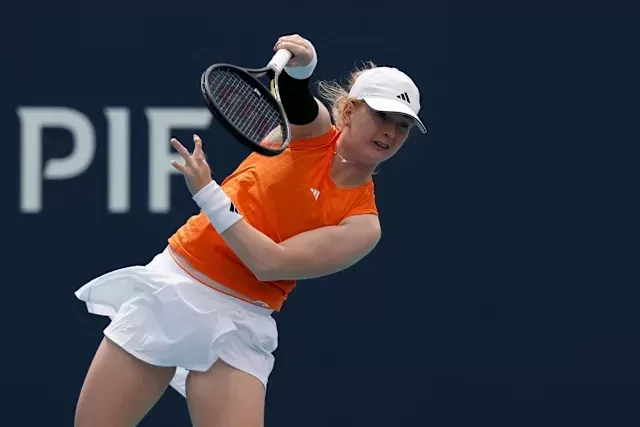
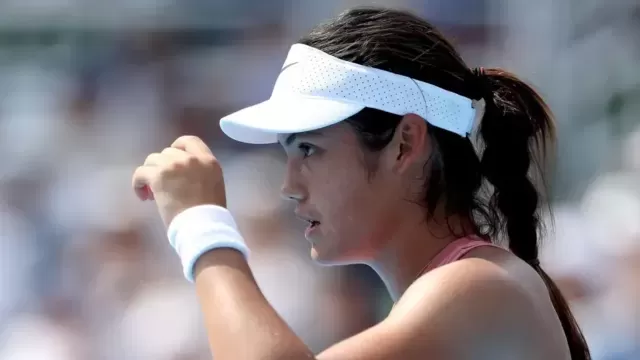
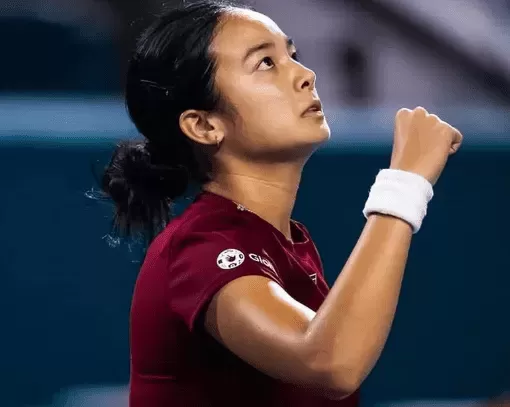
Amidst the electrifying drama unfolding at this year's US Open – Alexandra Eala's stunning comeback, Novak Djokovic's strategic dominance, and Daniil Medvedev's near-incendiary antics – an unusual sideshow quietly debuted: "Game, Set, Matchmaker," a dating series on the tournament's YouTube channel.
A Mismatch on the Court?
The series features host Ilana Sedaka, a figure skater and influencer, navigating blind dates on the US Open grounds. Her first date, with lacrosse coach Ronnie, focused more on shared musical tastes (Drake, of all artists!) than the surrounding tennis spectacle. Ronnie's casual observation that the US Open is "insane" was seemingly the highlight of their tennis-adjacent conversation.
When asked if he was a tennis fan, Ronnie admitted he'd only "kind of got into it last year." The episode concludes with Sedaka offering him a ticket for a second date, ironically cutting off as they approached the courts – the very place the series ostensibly aims to promote. A subsequent episode, featuring a date between an influencer and a fitness trainer, sidelined tennis entirely in favor of a brief detour into NFL territory.
Chasing a New Audience
Why is the US Open platforming dating content? According to a representative from the United States Tennis Association, the goal is to "attract an entirely new audience, reaching fans at the intersection of tennis, pop culture, and entertainment." The problem? Tennis seems like an afterthought. The modest view counts suggest the core audience is there for the tennis highlights, not dating escapades.
While intended to broaden the sport's appeal, the execution of "Game, Set, Matchmaker" seems misguided. The shifting format, from a "Bachelorette"-style concept to focusing on individual couples, and the somewhat elusive release schedule further complicate matters. The series was released when the US Open broke an attendance record in 2024, welcoming over one million people and tennis participation in the U.S. has also risen, implying that the audience exists and can be grown without such a drastic approach.
The Netflix Effect and Its Pitfalls
"Game, Set, Matchmaker" isn't the only attempt to broaden tennis's reach by downplaying the game itself. "Break Point," the Netflix docuseries, prioritized player access and personal narratives over showcasing compelling match footage. A bizarre example was focusing on Holger Rune during an episode centered on Carlos Alcaraz's victory over Djokovic in the Wimbledon final. The show oversimplified match dynamics, reducing them to basic momentum swings and neglecting the nuances of strategy and technique.
While creators defend these choices by claiming to target a new audience, the result often disappoints existing fans and presents a distorted view of the sport. The Netflix documentary, "My Way", changed the final point of the Wimbledon final.
Other sports have attempted to replicate the success of "Drive to Survive" with similar results. Documentaries about cycling and rugby failed to resonate and were ultimately canceled.
When Dignity Is Sacrificed for Attention
The US Open experimented with its mixed doubles format, prioritizing singles stars over seasoned doubles specialists. The pairing of Emma Raducanu and Carlos Alcaraz became a marketing focal point. The US Open leaned hard into their partnership. Their on-court chemistry, filled with laughter and telegenic moments, generated buzz. The US Open successfully sacrificed dignity for outsized attention.
While such tactics might grab headlines, they risk alienating dedicated players and fans who value the integrity of the sport.
The "Challengers" Model: Show the Tennis
The film "Challengers" proves that tennis can be compelling to a wider audience without sacrificing substance. The film highlighted key moments, showcased players' styles, and captured the intensity of the competition.
Focus on What Works
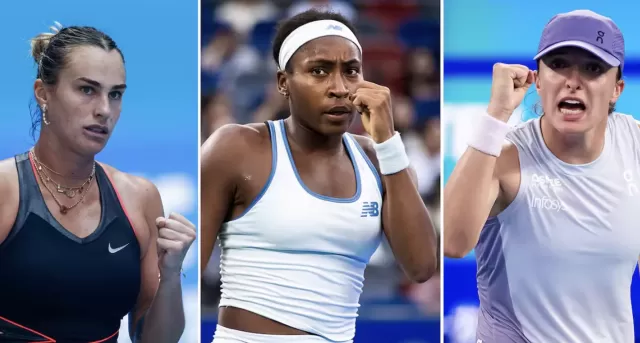
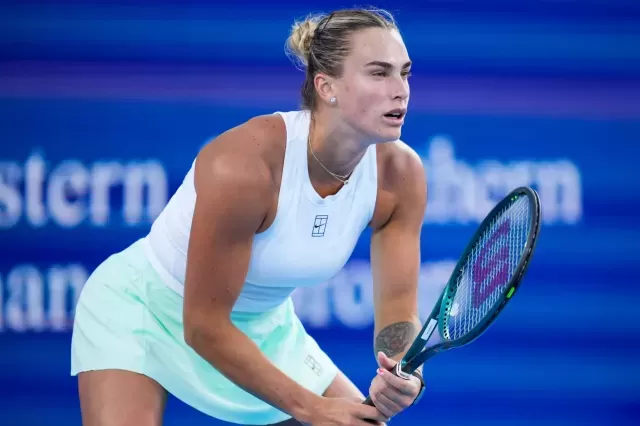
Tennis boasts a new generation of superstars like Alcaraz, Sinner, Swiatek, and Sabalenka. Their captivating matches are the sport's greatest asset. The US Open and other tournaments should prioritize showcasing these players and their rivalries. If someone isn't captivated by that, tennis might not be for them, and that's perfectly acceptable.